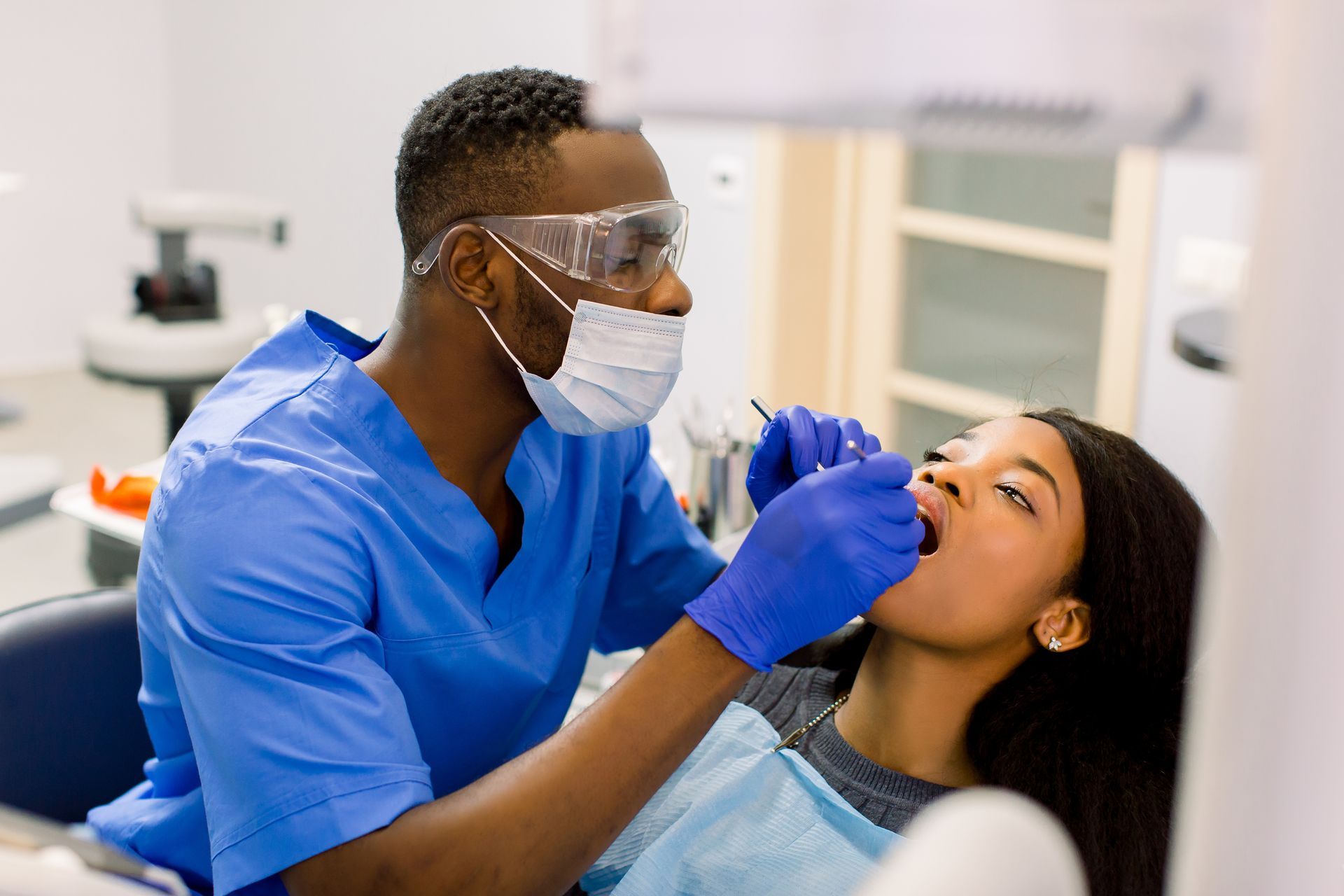
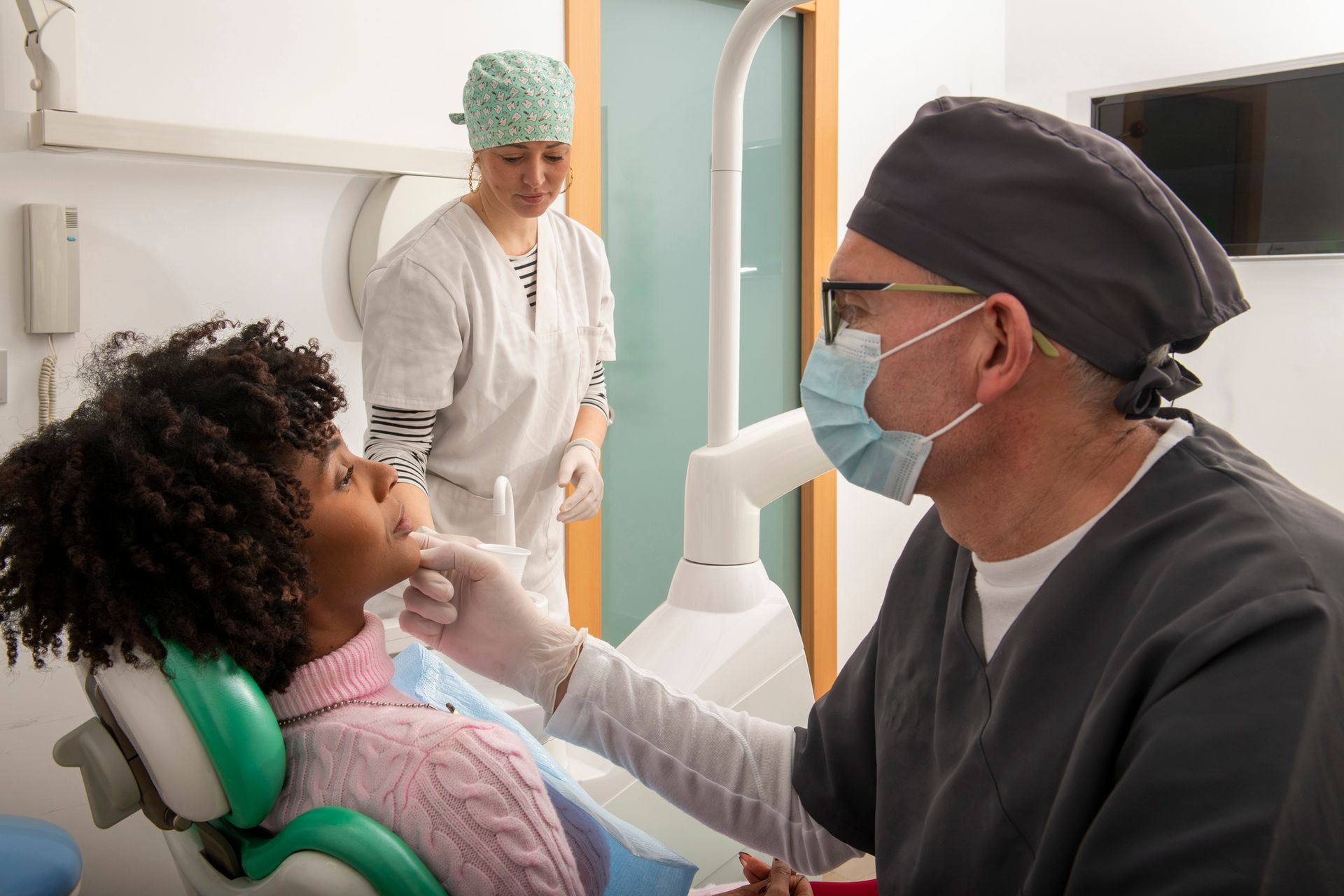
Taking your child to the dentist for the first time is one of the most important steps you can take for their long-term oral health, and knowing what to expect can make the experience smoother for both of you. Children's dentistry in the Launceston, TAS, area focuses on preventing problems early and building habits that last a lifetime. For families, understanding how to prepare for that first appointment can make a real difference in how your child feels about dental care for years to come.
How to Prepare Your Child for Their First Dental Visit
A first dental visit goes more smoothly when children know what to expect before they arrive.
Here is a simple step-by-step guide to help you get ready.
Step 1:
Start talking early.
Mention the dentist in a calm, positive way a few days before the visit. Use simple words like 'the dentist helps keep your teeth healthy and strong.'
Step 2:
Read books or watch short videos together.
There are many age-appropriate stories about visiting the dentist. These can help your child visualise the experience before it happens.
Step 3:
Role-play at home.
Take turns being the 'dentist' and the 'patient'. Let your child count your teeth with a toothbrush. This makes the setting feel familiar.
Step 4:
Choose the right time of day.
Book the children's dentistry appointment when your child is well-rested and not hungry. A tired or hungry child may find it harder to cooperate.
Step 5:
Avoid using negative language.
Words like 'hurt', 'needle', or 'drill' can create anxiety. Let the
dental team
introduce their own words for tools and procedures.
Step 6:
Arrive a little early.
Give your child time to look around the waiting room and settle in before the appointment begins.
Tips and Tricks for Better Oral Care at Home
Good dental habits at home are just as important as going to a professional children's dentist in Launceston, TAS. These everyday practices help reduce the risk of cavities and make dental visits more routine.
Make brushing a habit, not a chore.
Brush teeth together at the same time each morning and night. Children often copy what they see, so leading by example goes a long way.
Use the right tools.
A soft-bristle, age-appropriate toothbrush and a small amount of fluoride toothpaste can help protect young teeth effectively.
Keep it fun.
Use a two-minute timer, play a favourite song, or try a brushing app designed for kids. Positive reinforcement such as sticker charts can also help.
Watch what they eat and drink.
Sugary drinks and snacks between meals may increase the risk of cavities. Water is always the best choice between meals.
Start flossing early.
Once two teeth touch, it is a good idea to begin flossing. Your dental team can show you the best technique for young children.
Talk about the dentist positively at home.
Children pick up on adult attitudes. If you speak about children's dentistry visits as a normal, healthy part of life, your child is more likely to feel the same way.
Book Your Children's Dental Appointment Today!
Legana Dental offers gentle, family-focused children's dentistry services for patients. If your child is ready for their first visit or overdue for a check-up, the friendly team is here to help make it a positive experience.
Contact the practice today
to book an appointment, or find more information on
Legana Dental
to get started.